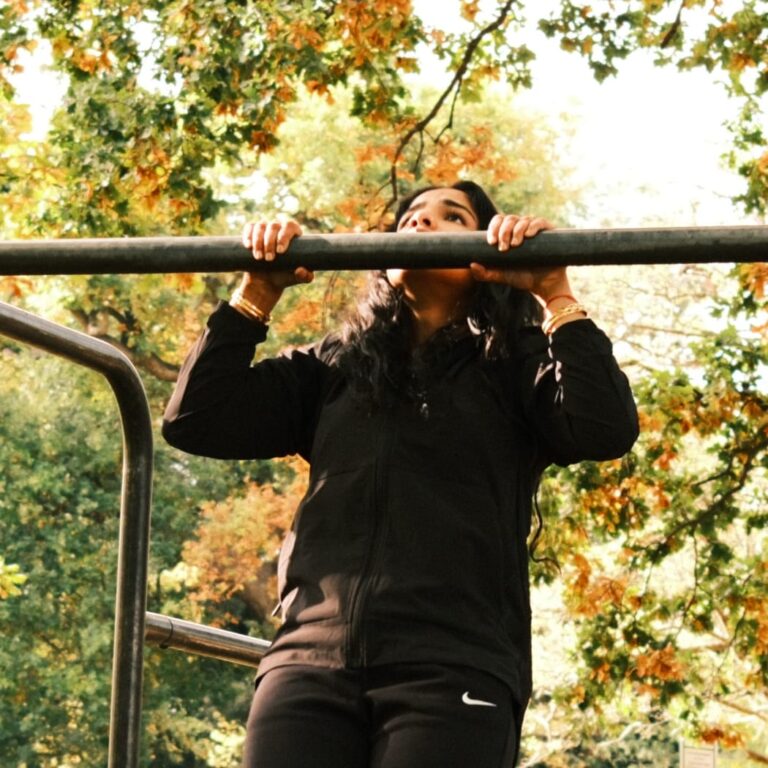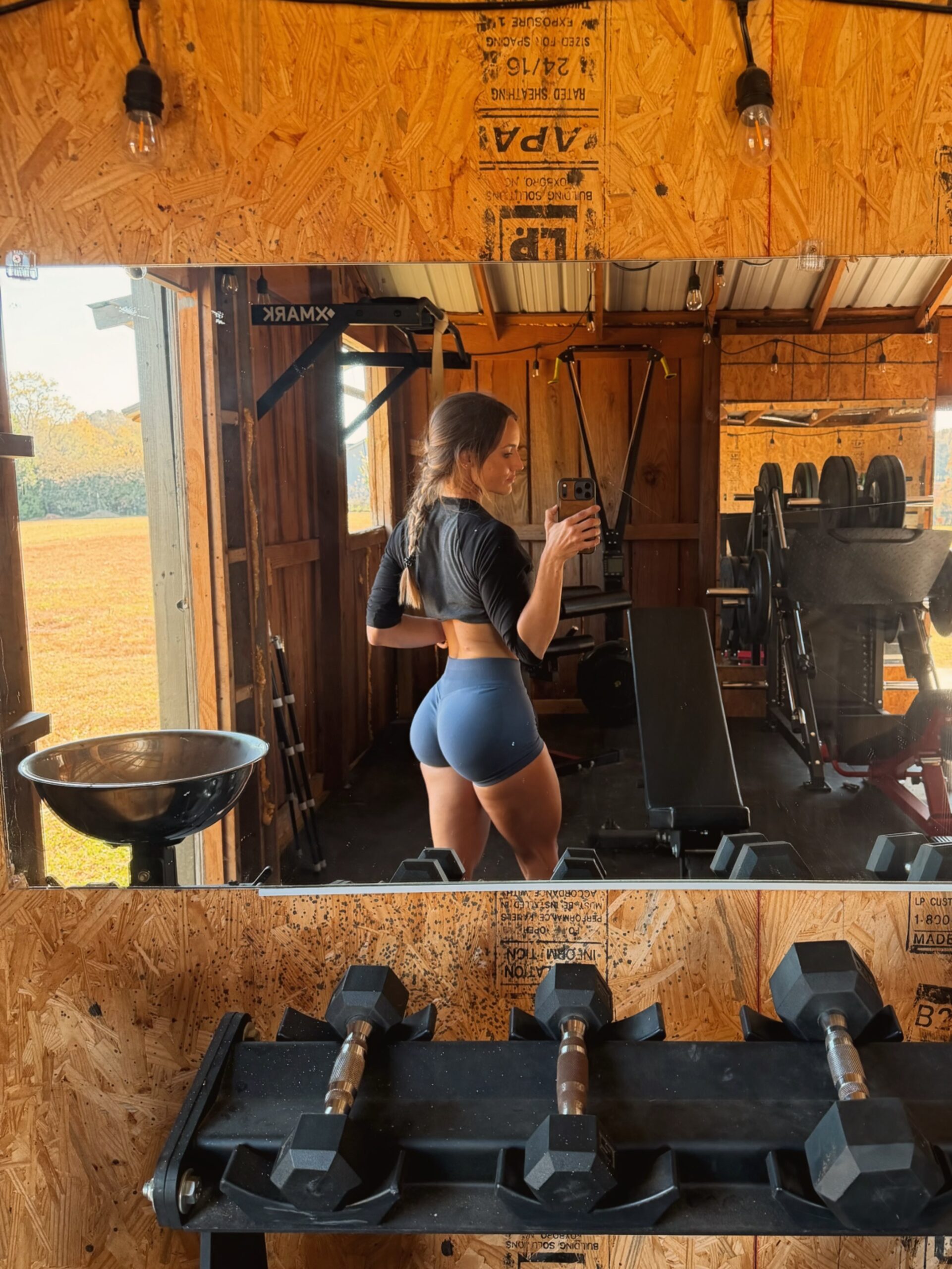
Most of us know we should exercise more. We nod along when a doctor mentions it, feel a pang of guilt when we pass a gym, and then go back to the couch. But here is the thing: regular movement is not just about looking fit. It affects your heart, your mood, your sleep, your memory, and how well you age. Few habits give you so much for so little.
This article walks through what regular exercise actually does for your body and mind, why so many people struggle to stick with it, and how you can build a routine that survives a busy week. No extreme plans, no expensive equipment. Just what works.
What “Regular Exercise” Really Means
When people hear the word exercise, they often picture sweaty gym sessions or marathon training. That picture puts a lot of people off before they even begin. In reality, exercise is any planned physical activity that raises your heart rate and challenges your muscles. A brisk walk counts. So does cycling to the shop, dancing in the living room, swimming, hiking, or playing football with friends.
The World Health Organization suggests that adults aim for at least 150 to 300 minutes of moderate activity each week, or 75 to 150 minutes of vigorous activity, plus muscle-strengthening work on two or more days. That sounds like a lot until you break it down: 30 minutes, five days a week. Many people reach it with a daily walk and two short strength sessions.
The key word is “regular.” One heroic workout every few months does very little. Twenty minutes most days does far more than people expect, because the benefits build on each other over time.
How Exercise Improves Your Physical Health
It protects your heart
Your heart is a muscle, and like any muscle it gets stronger with use. When you exercise regularly, your heart pumps more blood with each beat, so it doesn’t have to work as hard when you’re resting. Over time that lowers your resting heart rate and eases the pressure on your arteries.
Regular activity also helps lower blood pressure, raises “good” HDL cholesterol, and reduces the “bad” LDL kind. Large studies have consistently linked an active lifestyle with a lower risk of heart disease and stroke, two of the leading causes of death worldwide. You don’t need to be an athlete to see the effect. Even moderate activity makes a measurable difference.
It helps you manage your weight
Exercise burns calories, of course, but the story is more interesting than simple arithmetic. Strength training builds muscle, and muscle tissue uses more energy than fat, even while you sleep. Cardio improves how your body handles fuel. Together they make it easier to maintain a healthy weight, and easier to keep it off once you’ve lost it.
It’s worth being honest here: you can’t out-train a poor diet, and exercise alone rarely produces dramatic weight loss. But combined with sensible eating, it is one of the best predictors of long-term success. People who move regularly also tend to make better food choices without really trying, partly because they feel better and partly because they care more about how they fuel their body.
It builds stronger muscles and bones
After about 30, we naturally begin losing muscle mass, and bone density starts to decline later on. Weight-bearing activities such as walking, jogging, stair climbing, and lifting weights tell your bones to stay dense and strong. Resistance training does the same for muscle.
This matters far beyond appearance. Strong muscles protect your joints, improve your balance, and lower the risk of falls. Strong bones reduce the chance of fractures and conditions like osteoporosis. For older adults, staying strong is often the difference between living independently and needing help with daily tasks.
It lowers the risk of chronic disease
Physical inactivity is linked to type 2 diabetes, certain cancers, and metabolic syndrome. Exercise helps your muscles absorb glucose from your blood, which improves insulin sensitivity and keeps blood sugar steadier. For people already living with diabetes, regular activity is a core part of managing it.
There is also good evidence that active people have a lower risk of colon and breast cancer, among others. Researchers are still working out the exact mechanisms, but reduced inflammation, better hormone balance, and healthier body composition all seem to play a part.
It strengthens your immune system
Moderate exercise appears to help your immune system patrol the body more effectively. People who move regularly tend to catch fewer colds and recover faster when they do get sick. One caution: extremely intense training without enough rest can have the opposite effect, so recovery matters as much as effort.
It gives you better sleep
If you struggle to fall asleep, exercise may help more than you’d guess. Physical activity raises your need for deep, restorative sleep, and it helps regulate your body clock, especially when done outdoors in daylight. Most people find they fall asleep faster and wake up less during the night. Just avoid very intense workouts right before bed if you notice they leave you wired.
“Exercise is not a punishment for what you ate. It is a way of looking after the only body you will ever have.”
How Exercise Improves Your Mental Health
The mental benefits of exercise are just as real as the physical ones, and for many people they are the reason they keep going.
It reduces stress
When you’re stressed, your body floods with cortisol and adrenaline. Exercise gives that energy somewhere to go. During and after a workout, your body releases endorphins, natural chemicals that improve mood and dull pain. It also lowers the baseline level of stress hormones over time.
Anyone who has gone for a walk after a terrible day at work knows the feeling. The problem doesn’t disappear, but it shrinks. You come back with a clearer head and a bit more patience.
It eases anxiety and depression
Research has found that regular exercise can reduce symptoms of both anxiety and depression. For mild to moderate depression, some studies show it can work about as well as other first-line treatments, and it often works best alongside therapy or medication rather than instead of them. Exercise boosts brain chemicals like serotonin and dopamine, and it encourages the growth of new connections between brain cells.
There’s a behavioral side as well. Depression often makes people withdraw and stop doing things. A short walk or a class with a friend can break that cycle by giving you a small win and a reason to leave the house. If you’re struggling with your mental health, please speak with a doctor or a qualified professional. Exercise is a powerful tool, not a replacement for proper care.
It sharpens your brain
Exercise increases blood flow to the brain and supports the growth of new neurons, particularly in the hippocampus, an area tied to learning and memory. People who exercise regularly tend to show better focus, faster thinking, and stronger memory. Over the long term, staying active is associated with a lower risk of cognitive decline and dementia.
Students and office workers often notice the short-term effect too. A 20-minute walk before a hard task can make it easier to concentrate and come up with ideas.
It builds confidence and self-esteem
There’s a quiet pride that comes from keeping a promise to yourself. When you lift a little more, run a little farther, or simply show up on a day you didn’t feel like it, you prove to yourself that you can do hard things. That sense of capability spills into the rest of life: work, relationships, and how you see yourself in the mirror.
The Bigger Picture: Overall Well-Being
Well-being isn’t just the absence of illness. It’s about feeling energetic, capable, connected, and content. Exercise touches all of those areas.
- More energy. It sounds backwards, but spending energy creates energy. Regular exercisers usually feel less tired during the day because their heart, lungs, and muscles work more efficiently.
- Better social life. Group classes, running clubs, and weekend football games are great ways to meet people. Shared effort builds friendships quickly.
- Improved productivity. Better sleep, mood, and focus add up to better work. Many people find they get more done in less time on the days they exercise.
- Healthier aging. Staying active keeps you mobile, balanced, and independent for longer. It won’t stop the clock, but it changes how the years feel.
- A longer life. Across many large studies, active people live longer on average than inactive ones, even if they only start later in life.
It’s never too late to begin. Researchers have found benefits in people who took up exercise in their 60s and 70s. The body responds to movement at almost any age.
Why So Many People Struggle to Stay Consistent
If exercise is this good for us, why isn’t everyone doing it? The honest answer is that life gets in the way. These are the most common excuses, and they are usually real obstacles, not laziness:
- “I don’t have time.” Ten minutes still counts. Three ten-minute walks give you a half-hour of activity.
- “I’m too tired.” Gentle movement often boosts energy rather than draining it. Start with a short walk and see how you feel.
- “I don’t enjoy it.” Then you haven’t found the right activity yet. Try dance, swimming, climbing, martial arts, or hiking until something clicks.
- “I’m not fit enough.” Nobody starts fit. Begin where you are, and let your fitness catch up.
- “Gyms are expensive.” Walking, bodyweight workouts, and free online videos cost nothing.
How to Build an Exercise Habit That Lasts
Start smaller than you think
The biggest mistake beginners make is doing too much too soon. They go all out for a week, end up sore and exhausted, and quit. Start with 10 to 15 minutes, three days a week. Once that feels easy, add time or another day.
Pick something you actually like
The best exercise is the one you’ll keep doing. If you hate running, don’t run. If you love music, try dance. If you like being outside, try hiking or cycling.
Schedule it like an appointment
“I’ll exercise when I have time” rarely works. Put it in your calendar, set an alarm, and treat it as seriously as a meeting. Many people find mornings easiest because nothing has come up yet to derail them.
Track your progress, but gently
A simple notebook or phone app helps you see how far you’ve come. Focus on things you can control, such as the number of workouts you complete, rather than obsessing over the scale.
Find a partner or community
Knowing someone is waiting for you is a surprisingly strong motivator. A walking buddy, a class, or an online group can keep you going on days when your motivation is low.
A simple starter week
| Day | Activity | Time |
|---|---|---|
| Monday | Brisk walk | 20-30 min |
| Tuesday | Bodyweight strength (squats, push-ups, planks) | 15-20 min |
| Wednesday | Rest or gentle stretching | 10 min |
| Thursday | Cycling, swimming, or dancing | 20-30 min |
| Friday | Bodyweight strength | 15-20 min |
| Saturday | Longer walk or hike | 45-60 min |
| Sunday | Rest | – |
Common Mistakes to Avoid
- Skipping the warm-up. Five minutes of easy movement prepares your muscles and lowers injury risk.
- Ignoring rest days. Muscles get stronger during recovery, not during the workout itself.
- Comparing yourself to others. Your only real competition is the person you were last month.
- Neglecting strength training. Cardio is great, but muscle is what keeps you strong and independent as you age.
- Quitting after a missed week. Everyone falls off sometimes. What matters is that you start again.
Final Thoughts
Regular exercise is one of the closest things we have to a miracle drug. It protects your heart, strengthens your bones, sharpens your mind, lifts your mood, improves your sleep, and may add healthy years to your life. And it asks for surprisingly little in return: a few hours a week, a pair of comfortable shoes, and a willingness to begin.
You don’t need a perfect plan or a perfect body. You just need to move today, and then again tomorrow. Start with a short walk, build slowly, and be kind to yourself along the way. Your future self will thank you.