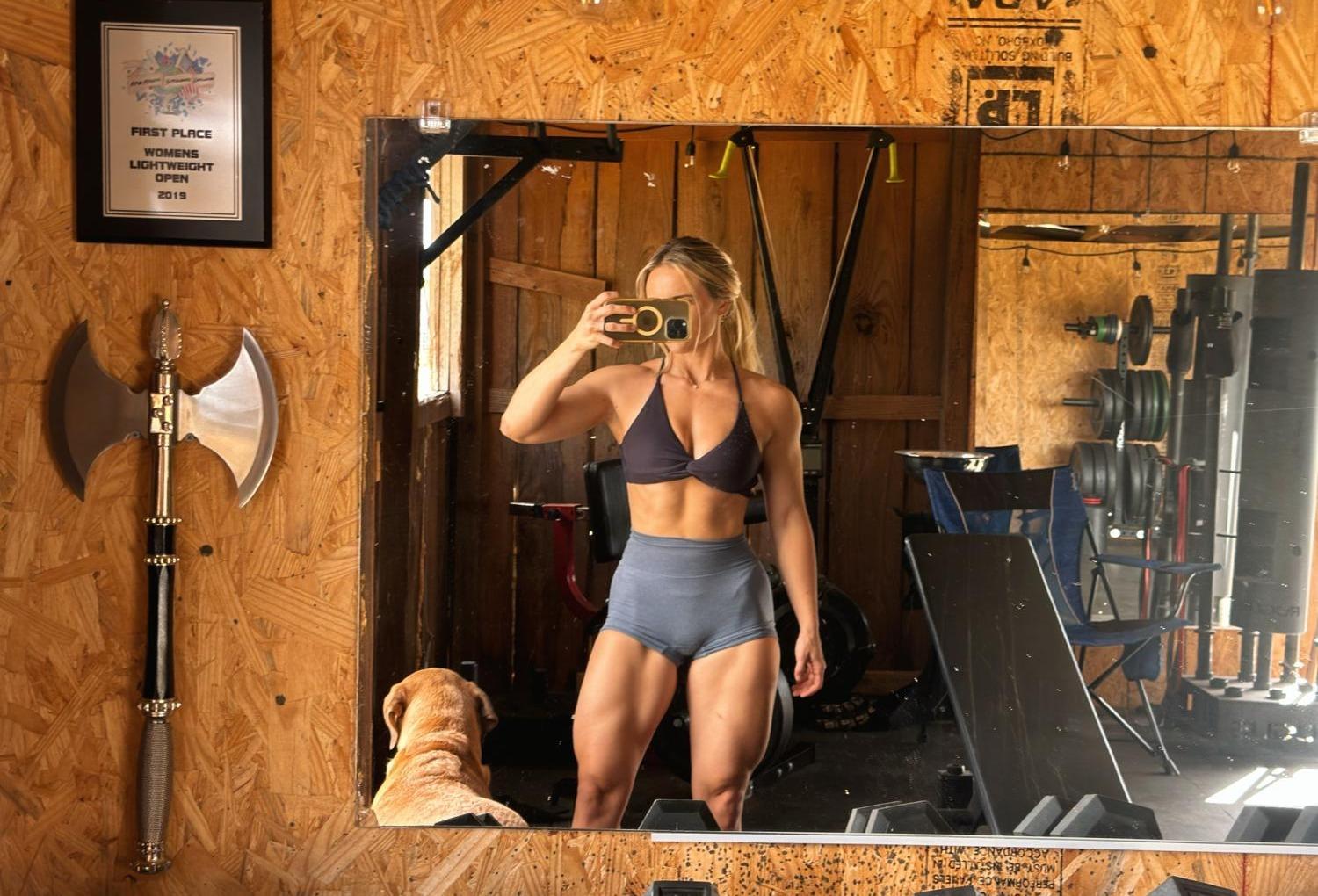
Every fitness journey begins with a vision — a picture of the body you want to build and the strength you want to feel in your own skin. For many people, that vision includes a fuller, more powerful lower body paired with strong, well-defined shoulders and back that create the balanced, hourglass silhouette so many strive for. The good news is that this goal isn’t reserved for genetic outliers or people with unlimited time in the gym. With a smart, structured training plan built around five weekly sessions, compound lifts, and strategic isolation work, real transformation is within reach.
This article walks through the philosophy, science, and practical structure behind a program designed to sculpt your lower body while simultaneously building the upper-body proportions that create balance and symmetry. Whether you’re new to strength training or looking to break through a plateau, understanding the “why” behind each element of this plan will help you train smarter, stay consistent, and see results that last.
Why a Balanced Approach Matters
It’s tempting to focus exclusively on the body parts you want to change most. If your goal is a fuller lower body, it might seem logical to train legs and glutes every single day and skip everything else. But this approach almost always backfires. The human body doesn’t build muscle in isolation — it thrives on balanced stimulus, adequate recovery, and progressive overload spread intelligently across muscle groups.
More importantly, aesthetic balance is about proportion, not just size. A powerful lower body looks even more striking when it’s paired with strong, capped shoulders and a well-developed back that tapers into a narrower waist. This is the anatomical foundation of the classic hourglass shape: broader shoulders and hips with a visually smaller waistline in between. Training your shoulders and back isn’t a distraction from your lower-body goals — it’s what makes those lower-body gains pop.
This is why the five-day split at the center of this program dedicates focused attention to glutes, quads, and hamstrings while also carving out real training volume for shoulders and back. The result isn’t just bigger muscles in isolated areas — it’s a physique that looks intentionally sculpted, symmetrical, and strong from every angle.
The Power of Compound Movements
At the foundation of any serious muscle-building program are compound movements — exercises that recruit multiple muscle groups and joints simultaneously. Squats, deadlifts, hip thrusts, lunges, rows, and presses are the workhorses of body transformation, and for good reason.
Compound lifts allow you to move heavier loads than isolation exercises ever could, which directly translates to greater mechanical tension on your muscles — the primary driver of hypertrophy (muscle growth). A heavy barbell squat, for example, doesn’t just target your quads; it simultaneously demands work from your glutes, hamstrings, core, and even your upper back as you stabilize the bar. This kind of full-body recruitment triggers a greater hormonal and metabolic response than single-joint movements, making your training sessions more efficient and effective.
Beyond the physiological benefits, compound movements also build functional strength — the kind that translates into everyday life. Picking up groceries, climbing stairs, carrying children, or simply moving through your day with more energy and less fatigue are all improved when your foundational strength increases. This is why compound lifts form the backbone of each of the five weekly sessions in this program, typically performed early in the workout when your energy and focus are at their highest.
The Role of Isolation Work
While compound lifts build the foundation, isolation exercises are the sculpting tools that refine your physique. Movements like cable kickbacks, leg extensions, lateral raises, and hamstring curls allow you to target specific muscles with precision, addressing weak points and enhancing muscle definition in ways compound lifts alone cannot.
For lower-body development specifically, isolation work is essential for building a fuller, rounder glute shape. While squats and deadlifts recruit the glutes as part of a larger movement chain, exercises like glute bridges, cable pull-throughs, and abduction work allow for more direct, concentrated tension on the glute muscles themselves. This targeted approach helps ensure that as you build overall lower-body strength, the visual shape and proportion you’re after — a fuller, rounder, and stronger glute-to-hamstring ratio — develops alongside it.
Isolation work also plays a critical role in shoulder and back development. The delicate balance of anterior, medial, and posterior deltoid muscles that create that capped, three-dimensional shoulder look often requires dedicated attention beyond what compound pressing movements provide. Similarly, back width and thickness — key components of the hourglass silhouette — benefit enormously from focused work like lat pulldowns, face pulls, and rear delt flyes that compound rows alone may not fully address.
The most effective training programs, including this one, use isolation exercises strategically: not as filler, but as intentional tools to correct imbalances, build symmetry, and add the finishing touches that make a physique look complete.
Structuring the Five-Day Split
A five-day training split offers an ideal balance between training frequency and recovery. It allows for dedicated lower-body sessions multiple times per week — critical for maximizing growth in glutes, quads, and hamstrings — while still leaving room for upper-body training that builds the shoulders and back needed for a balanced frame.
A well-designed weekly structure might look like this:
Day 1: Glute-Focused Lower Body
The week often begins with a session centered on maximizing glute activation and growth. This typically includes heavy compound lifts like barbell hip thrusts or Romanian deadlifts, followed by isolation movements such as cable kickbacks or banded glute bridges. Training glutes early in the week, when energy levels are highest, allows for maximum effort on the exercises that matter most for this goal.
Day 2: Shoulders and Back
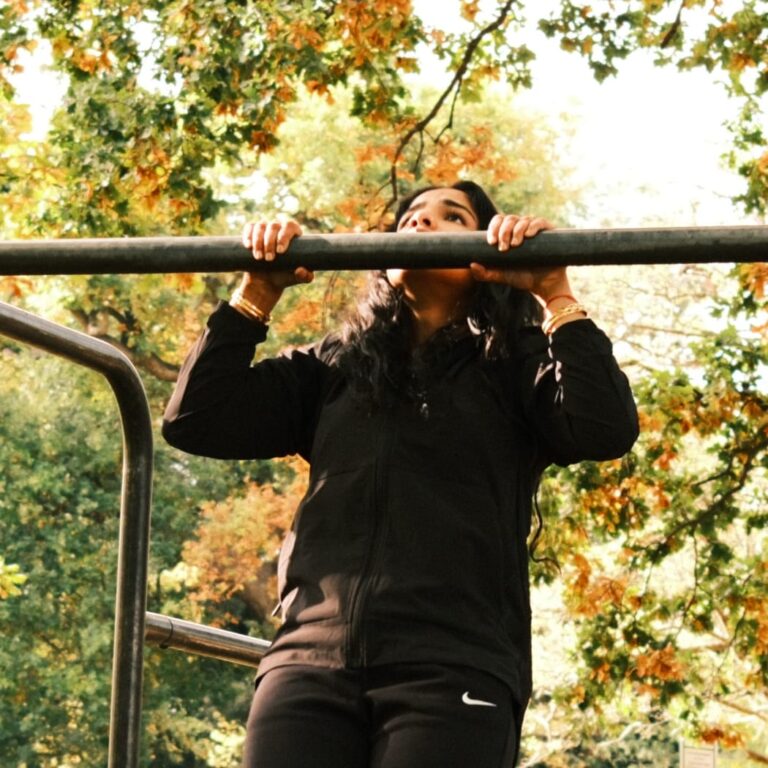
The second session shifts focus upward, targeting the muscles responsible for that broad, capped shoulder look and a strong, well-defined back. Compound movements like overhead presses and pull-ups or lat pulldowns form the foundation, while isolation exercises such as lateral raises, face pulls, and rear delt flyes refine shoulder shape and back width.
Day 3: Quad-Dominant Lower Body
Midweek often brings a session emphasizing the quadriceps, using movements like front squats, leg presses, or walking lunges. This day complements the glute-focused session earlier in the week, ensuring balanced development across the entire lower body rather than overemphasizing one muscle group.
Day 4: Active Recovery or Core
A lighter day — whether complete rest, light cardio, or focused core work — allows the body to recover from the demanding lower-body and upper-body sessions earlier in the week. Recovery is not optional; it’s the phase during which muscles actually repair and grow stronger.
Day 5: Hamstring and Glute Emphasis
The week often closes with another lower-body session, this time emphasizing hamstrings and posterior chain development through deadlift variations, leg curls, and additional glute isolation work. This second dedicated lower-body day each week ensures the volume needed for meaningful growth in this area.
This structure delivers two to three lower-body-focused sessions per week alongside one dedicated shoulder and back day, striking the balance necessary to achieve both a fuller lower body and the upper-body proportions that complete the hourglass look.
Progressive Overload: The Non-Negotiable Principle
No training split, however well-designed, will produce results without progressive overload — the gradual increase of demands placed on your muscles over time. This might mean adding more weight to the bar, performing additional reps, increasing training volume, or improving your form to create more effective tension.
Muscles grow in response to a stimulus that challenges their current capacity. If you lift the same weight for the same reps week after week, your body has little reason to adapt further. Tracking your workouts — recording weights, reps, and how challenging each set felt — allows you to make informed decisions about when and how to increase the demands of your training. Small, consistent increases over months and years compound into significant, visible changes in muscle size and strength.
Nutrition and Recovery: The Often-Overlooked Half
Training provides the stimulus for muscle growth, but growth itself happens during recovery, fueled by adequate nutrition. Consuming enough protein — generally recommended in the range of 0.7 to 1 gram per pound of body weight for those focused on muscle building — supplies the building blocks your muscles need to repair and grow following each session.
Equally important is overall caloric intake. Building meaningful muscle typically requires eating at or slightly above maintenance calories, giving your body the energy surplus needed to support new tissue growth. Sleep, too, plays an outsized role in this process; most of the hormonal activity responsible for muscle repair and growth occurs during deep sleep, making seven to nine hours a night a foundational (if often neglected) part of any serious training program.
Consistency Over Perfection
Perhaps the most important factor in any transformation isn’t the specific exercises chosen or the exact split followed — it’s consistency over time. Muscle growth is a slow, cumulative process. The five-day structure outlined here works because it can be sustained week after week, month after month, allowing the small adaptations from each session to accumulate into significant, visible change.
It’s natural for progress to feel slow in the early stages. Trust the process, focus on showing up for each scheduled session, and prioritize good form over ego-driven weight increases. The compound lifts will build your foundation, the isolation work will refine your shape, and the consistency of five structured sessions each week will be what ultimately delivers the fuller, stronger, more balanced physique you’re working toward.
Final Thoughts
Sculpting the body you envision — one with a fuller, stronger lower body and shoulders and back that create true proportion and balance — isn’t about chasing shortcuts or extreme measures. It’s about following a smart, structured plan that respects how muscles actually grow: through progressive compound movements, targeted isolation work, adequate recovery, and unwavering consistency.
The five-day training split detailed in this program gives you exactly that structure. Each session has a clear purpose, each exercise has a clear role, and together they build toward the same goal: a physique that reflects the strength, dedication, and balance you’re working hard to achieve.